Refresh Your Home: Pointers for Picking the Right Kitchen Modernization Contractor
Locating the right kitchen remodeling contractor is essential for a successful home remodel. A excellent contractor not only perceives the vision but also exhibits the required skills and experience to the project. Many variables come into play when determining a contractor, from validating credentials to scrutinizing past work. Appreciating these elements can greatly impact the outcome. What should homeowners stress in their search, and how can they accomplish a smooth collaboration?
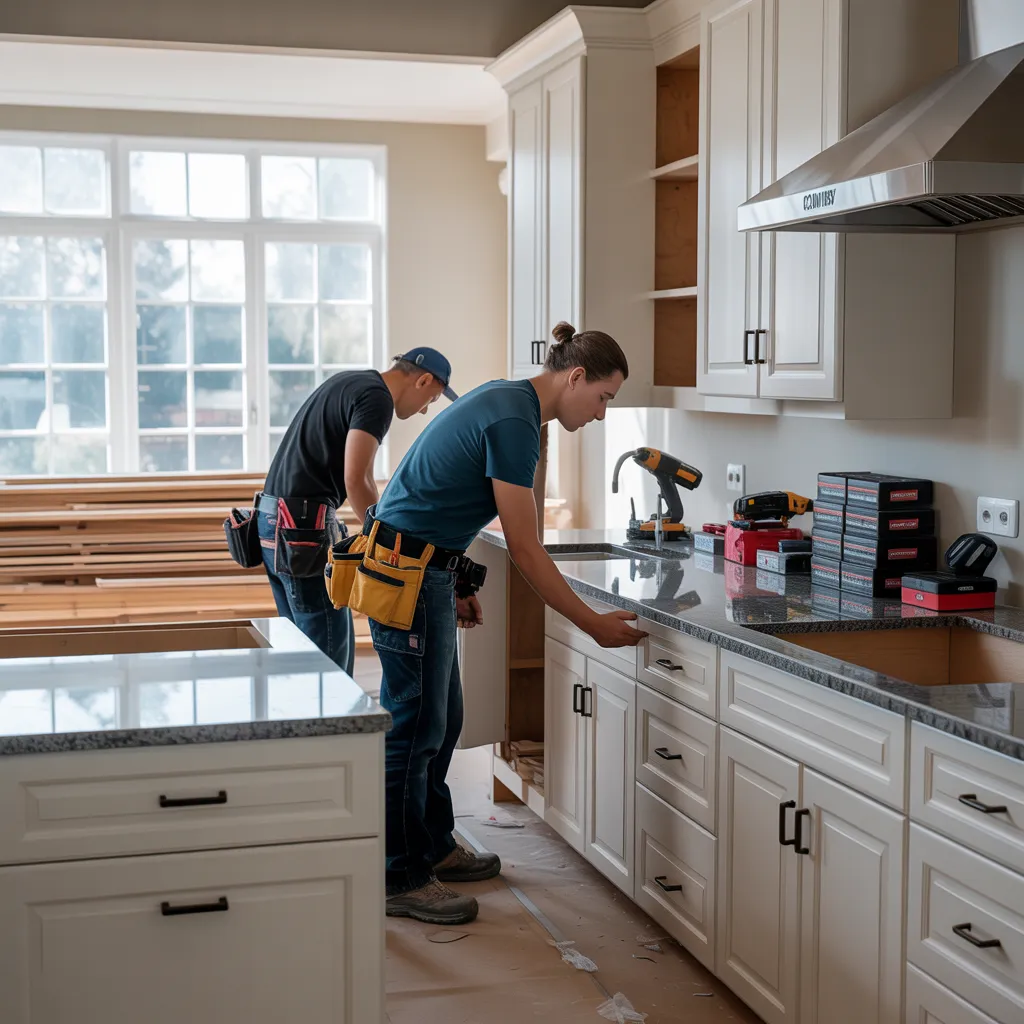
Key Attributes of a Quality Remodeling Contractor
A experienced remodeling contractor serves as the cornerstone of any well-executed kitchen renovation. Their expertise not only directs the project but also assures that it fits the homeowner's vision. Key qualities to look for include strong communication abilities, which enable them to convey ideas and updates concisely. Attention to detail is essential, as it influences both visual appeal and operation. A competent contractor also exhibits strong project management abilities, managing timelines, budgets, and subcontractors smoothly. Dependability is important; they should consistently meet deadlines and keep commitments. Additionally, a good grasp of contemporary design styles and materials helps them deliver valuable insights. Finally, a reputable contractor builds strong relationships with clients, encouraging trust and collaboration throughout the renovation process. These qualities jointly ensure a seamless and effective kitchen remodeling experience.
Verifying Qualifications and Experience of Potential Contractors
Checking the qualifications and expertise of possible contractors is vital to guarantee a effective kitchen remodeling project. It is important for homeowners to first verify that the contractor holds suitable licenses, indicating adherence to local regulations and industry standards. Moreover, insurance coverage is essential, providing protection to both parties against accidents or damages occurring during the renovation.
Experience in similar projects is another important consideration. Contractors should submit a collection of work displaying past work, ideally in kitchen remodels, to demonstrate their capabilities. Client testimonials and reviews can also offer insights into the contractor's dependability and workmanship.
Moreover, professional affiliations with bodies such as the National Kitchen and Bath Association can indicate a commitment to superior standards and ongoing education in the field. By carefully examining similar resource credentials and experience, clients can make informed decisions, reducing uncertainty and heightening the odds of a accomplished kitchen transformation.
Uncovering Proven Home Remodeling Service Providers
Locating dependable remodeling contractors is essential for a successful kitchen makeover. It is important to verify their credentials and permits to guarantee they adhere to industry standards. Additionally, seeking referrals can deliver understanding into a builder's track record and prior project excellence.
Review Qualifications And Licenses
Homeowners must verify that the remodeling contractor has the required credentials and licenses before hiring them. This procedure is key to verify the contractor's skill level and compliance with local laws. A good first step is for homeowners to review state-issued licenses, as these can reflect the contractor's skills and dependability. Certifications provided by industry organizations can additionally validate a contractor's competence and dedication to quality. Inquiring about insurance coverage such as liability and workers' compensation is also advised to guard against potential risks. Spending time to verify these credentials allows homeowners to make educated decisions, lowering the risk of hiring unqualified professionals for kitchen remodeling.
Request Referrals
local professional associations for further suggestions, as these groups often have vetted lists of professionals
Key Inquiries to Ask Your Home Renovation Contractor?
What key inquiries should homeowners consider when hiring a renovation contractor? First, they should ask about the contractor's experience with kitchen remodels, including the number of completed similar projects. Homeowners should also inquire about licensing and insurance to guarantee compliance with local regulations and protection against liabilities. Understanding the contractor's timeline for project completion is critical, as is asking about the expected payment structure.
Additionally, homeowners should solicit endorsements from previous customers to evaluate contentment and trustworthiness. It's important to address the builder's strategy to managing unforeseen issues that may emerge during the undertaking. Homeowners should also establish what materials will be employed and whether they are included the starting quote. Finally, discussing communication methods throughout the undertaking can enhance a smoother remodeling experience. These inquiries help forge trust and confirm that objectives are aligned from the start.
Analyzing Contractor Price Estimates
Homeowners should distrust bids that seem far below standard rates; these might point to concealed charges or poor-quality materials. On the other hand, a more expensive proposal does not always ensure superior quality. It is vital to evaluate the comprehensive benefit rather than just the price. Asking contractors to clarify unclear details can more effectively aid in making an informed decision. Finally, this meticulous review confirms that homeowners hire a contractor who fits their spending limits and job aspirations.
Strategies for Establishing a Robust Business Relationship With Your Contractor
Establishing a strong working relationship with a contractor is essential for a successful kitchen remodel. Clear communication lines, realistic expectations, and reciprocal trust and respect form the foundation of this partnership. Establishing these elements from the start can lead to a smoother remodel process and improved outcomes.
Develop explicit communication channels
Developing effective communication channels is crucial for a successful kitchen remodeling project. Effective communication advances trust and partnership between homeowners and contractors. It is important for both parties to determine preferred communication methods, whether through emails, phone calls, or text messages. Consistent communications and follow-ups can help tackle issues quickly and maintain project traction. Homeowners should prepare a compilation of questions and expectations to communicate to their contractors, assuring that all parties remain coordinated. Additionally, setting up a shared timeline for project milestones can enhance responsibility. By supporting transparent communication, homeowners and contractors can handle challenges more effectively, ultimately resulting in a enhanced remodeling experience and a successful outcome.
Set Realistic Expectations Together
For establishing a effective working relationship between homeowners and contractors, setting achievable expectations is crucial. Clear talks about project timelines, budgets, and design goals reduce misunderstandings. Homeowners ought to share their vision, remaining receptive to professional advice, which allows contractors to give insights based on experience. Establishing a detailed project scope is crucial, as it defines responsibilities and deliverables, supporting accountability. Regular check-ins throughout the remodeling process confirm that both parties stay on the same page. By setting achievable milestones and being pragmatic about potential challenges, homeowners and contractors can collaborate effectively, lessening stress and improving overall satisfaction with the project. This proactive strategy sets the stage for a fruitful and harmonious remodeling experience.
Build Mutual Trust And Respect
Confidence and respect represent the essentials of a effective partnership between homeowners and contractors. Establishing transparent dialogue is necessary; homeowners should express their objectives while contractors should offer truthful input and timelines. Ongoing check-ins help in maintaining clarity, which further develops trust. Valuing one another's skills is critical, as homeowners should appreciate the contractor's abilities, while the contractor should respect the homeowner's preferences. Addressing concerns promptly and appropriately creates a constructive collaborative setting. Additionally, establishing limits, such as work hours and communication methods, can avoid confusion. By fostering an context of mutual trust and respect, both parties can work together efficiently, delivering a more efficient remodeling process and a satisfactory outcome.
Frequently Asked Questions
How Do I Address Disputes With My Remodeling Contractor?
To tackle disagreements with a remodeling contractor, one should communicate clearly, document all interactions, and work toward an agreement through negotiation. If necessary, appointing a mediator or legal advice may also be valuable for fixing considerable difficulties.
What Period Should You Anticipate for a Kitchen Remodel?
A standard kitchen overhaul schedule extends from six to twelve weeks, influenced by the project scope. Aspects such as design difficulty, sourcing of materials, and contractor efficiency can determine this period greatly throughout the process.
Should I Be Mindful About Undisclosed Fees?
Kitchen remodel often involves hidden costs such as unexpected structural issues, permit fees, appliance upgrades, and labor costs. It's critical for homeowners to budget appropriately for these likely expenses to avoid financial strain during the project.
Is It Possible to Stay in My Home While the Remodeling Takes Place?
Yes, residents can often occupy their homes during remodeling work, though it may be problematic. It's crucial to converse with construction professionals about specific areas affected to minimize disruption and maintain safety throughout the process.
Which Style Options Are Currently Trending for Kitchens?
Contemporary farmhouse, minimalist, and industrial styles are popular for kitchens. Features such as open shelving, natural materials, and bold colors increase practicality while displaying unique preferences, making these designs both practical and visually appealing.